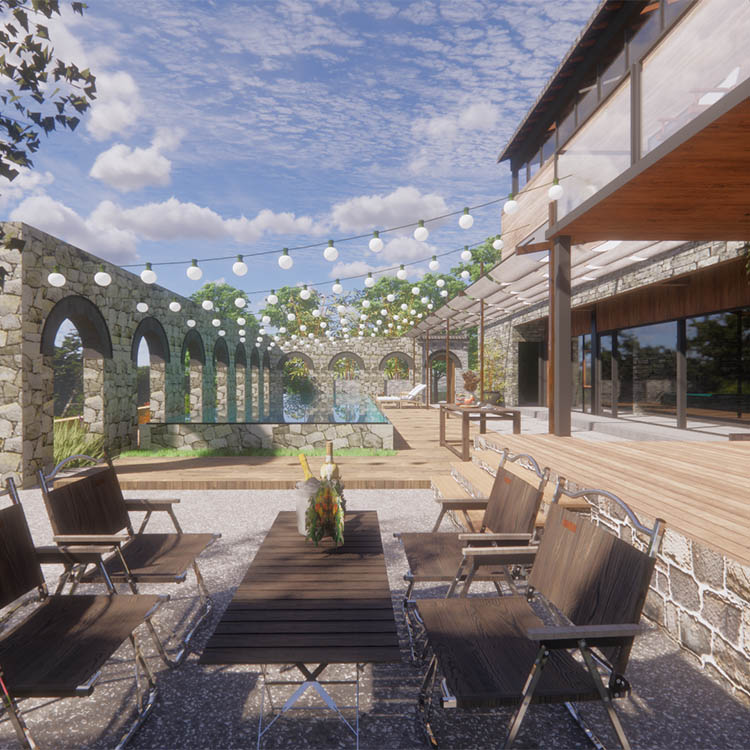
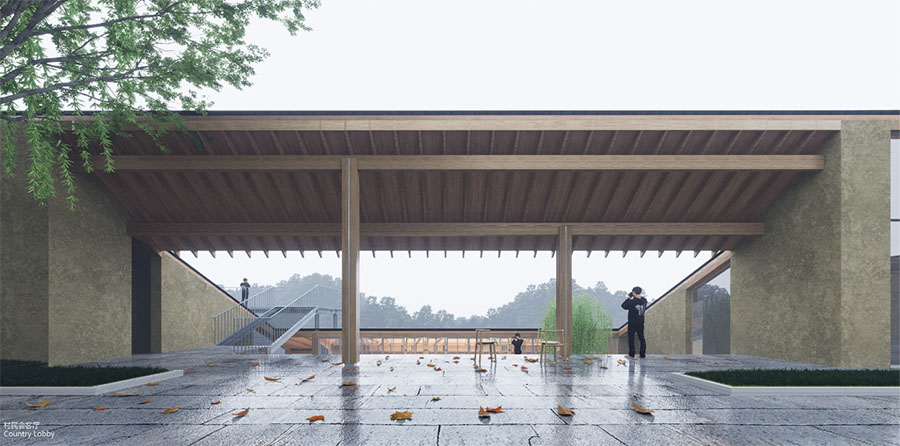
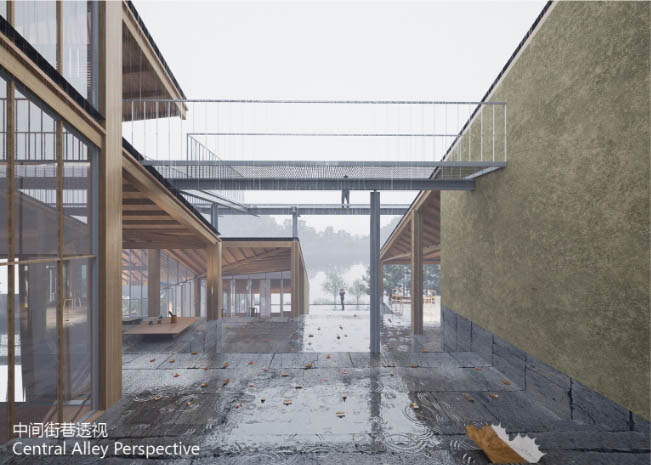
空间策略上,我们摒弃了大面积的主题包装,转而以点状植入的方式设置视觉锚点:入口主视觉确立街区形象,真红互动装置强化主题记忆,乐至打卡墙、诗词街角散布在街巷节点。这些设计点体量克制,既建立起清晰可识别的场所意象,成为社交媒体上的识别性画面,又不会破坏街巷的整体生活质感。同时通过导视系统与游线设计,将街区自然嵌入陈毅故里的整体游览路径。
In terms of spatial strategy, we avoided large-scale thematic packaging and instead employed a point-based approach to create visual anchors: the main visual at the entrance establishes the district’s identity, the “True Red” interactive installation reinforces thematic recall, and the “Lezhi” photo wall and poetry-adorned street corners are scattered throughout key nodes of the alleyways. These design elements are modest in scale, establishing clear and recognizable spatial imagery that serves as iconic visuals on social media without compromising the overall livability of the streets and alleys. At the same time, through wayfinding systems and visitor route design, the district is naturally integrated into the overall tour route of Chen Yi’s Hometown.
运营层面,以活态内容填充公共空间,让街区拥有日常的节奏与生命力。街头艺术表演、创意小市集、民乐交响会定期上演,夜间灯光与夜市经济拉长了街区的活跃时长。没有刻意制造的网红打卡点,所有内容都服务于真实的生活需求:本地老人来听戏喝茶,年轻人来喝咖啡逛市集,游客来体验文化品尝美食,不同人群在同一条街巷里自然共处。
On the operational level, dynamic content fills the public spaces, infusing the district with a daily rhythm and vitality. Street art performances, creative pop-up markets, and traditional Chinese music concerts are held regularly, while nighttime lighting and the night market economy extend the neighborhood’s hours of activity. There are no contrived “Instagrammable” spots; all activities serve genuine lifestyle needs: local seniors come to listen to opera and drink tea, young people come to enjoy coffee and browse the markets, and tourists come to experience the culture and savor the local cuisine. Different groups coexist naturally within the same streets and alleys.
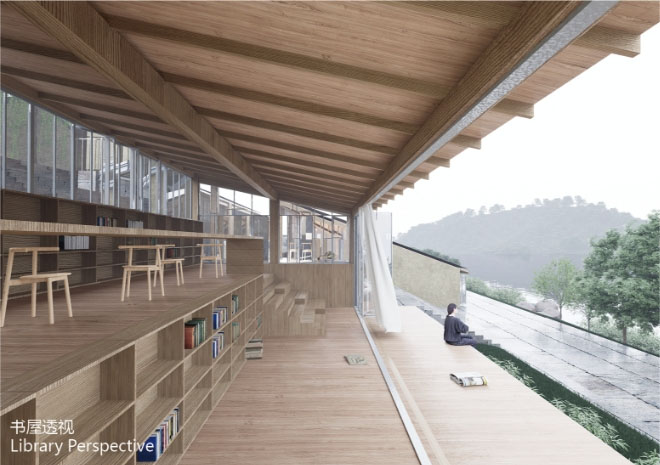
书屋空间以红色主题阅读、乐至本土文献、陈毅诗词研究为核心书目体系,同时预留开放式阅读区与小型分享场地,定期举办红色岁月阅读会、诗词诵读会。为游客提供参观故居后的情绪沉淀空间,也为本地居民提供日常的文化栖息地,让阅读成为街巷里自然发生的行为。
陈毅书法体验空间则是红色文化在文旅街区形成互动的一个小核心。空间在元帅书法复刻展览的同时,提供了书法练习的场景:案台、笔墨、碑帖与陈毅诗词手札复刻品有序排布,游客可以提笔临摹,在笔画起落间触摸元帅的文人气度与精神脉络。体验不设门槛,孩童的涂鸦与老者的临帖共存,让书法从文化符号变成了人人可参与的精神对话,红色记忆也在书写动作中完成代际传递。
The bookstore’s core collection centers on revolutionary-themed reading materials, local Lezhi documents, and research on Chen Yi’s poetry. It also features open reading areas and small gathering spaces for sharing, where regular “Red Years” reading sessions and poetry recitals are held. This space offers visitors a place to reflect after touring the former residence and serves as a daily cultural haven for local residents, making reading a natural part of life on the street. The Chen Yi Calligraphy Experience Space serves as a small hub where revolutionary culture interacts with the cultural and tourism district. Alongside an exhibition of replicas of the Marshal’s calligraphy, the space provides a setting for calligraphy practice: writing desks, brushes and ink, stele rubbings and calligraphy sheets, and replicas of Chen Yi’s handwritten poems are arranged in an orderly manner. Visitors can pick up a brush to trace the characters, sensing the Marshal’s scholarly demeanor and spiritual legacy through the rise and fall of each stroke. The experience is open to all—children’s doodles coexist with the calligraphy practice of the elderly—transforming calligraphy from a cultural symbol into a spiritual dialogue accessible to everyone, while revolutionary memories are passed down across generations through the very act of writing.
真红巷的零售业态升级,核心逻辑是从“特产交易”转向“可带走的文化记忆”。以“乐至有礼”为核心,联动潮玩商店、本土特产店、非遗零售形成梯度布局,对应学生小物、本地复购、外地伴手礼三档价位,覆盖不同人群的消费需求。产品端系统植入陈毅诗词、蚕桑、剪纸等本土文化符号,同时开放个性化定制选项,让商品跳出标准化旅游纪念品的范畴,成为承载个人旅行体验的记忆载体。
空间展示上摒弃传统货架逻辑,把商品作为在地文化叙事的延伸,每件产品都对应一段乐至的人文或历史片段。空间展示上摒弃传统货架罗列的逻辑,把商品作为在地文化叙事的延伸:每件产品旁都配有简短的文化注解,讲述特产的来历、工艺的传承与背后的人文故事,让零售商业成为景区文化体验的延续。游客带走的不只是纪念品,更是属于乐至和陈毅故里的文化温度与专属的旅行记忆。
The core logic behind the retail upgrade in Zhenhong Alley is a shift from “selling local specialties” to “creating cultural memories to take home.” Centered on the theme “Lezhi Gifts,” the area features a tiered layout that integrates trendy toy shops, local specialty stores, and intangible cultural heritage retail outlets. This structure caters to three price ranges—student trinkets, local repeat purchases, and souvenirs for out-of-town visitors—to meet the consumption needs of diverse demographics. On the product side, local cultural symbols—such as Chen Yi’s poetry, sericulture, and paper-cutting—are systematically integrated into the designs. At the same time, personalized customization options are offered, allowing the merchandise to transcend the realm of standardized tourist souvenirs and become vessels that carry memories of individual travel experiences. In terms of spatial display, the traditional shelving approach has been abandoned; instead, products are treated as extensions of local cultural narratives, with each item corresponding to a specific cultural or historical moment in Lezhi. The store’s display design moves away from the traditional logic of simply listing items on shelves, instead treating products as an extension of local cultural narratives: each item is accompanied by a brief cultural annotation detailing the origin of the specialty, the heritage of its craftsmanship, and the human stories behind it, thereby transforming the retail experience into a continuation of the cultural experience within the scenic area. Visitors take home not just souvenirs, but also the cultural warmth of Lezhi and Chen Yi’s hometown, along with their own unique travel memories.
餐饮是真红巷烟火气的核心之一。街区整合了小吃街、咖啡、主题宴饮、坝坝茶等多元业态,跳出旅游商业街单一逻辑,把饮食转化为认知乐至的文化路径。走到真红巷的核心区域,戏台前铺开的坝坝茶展现出地道本土的休闲场景,一碗盖碗茶配一段川剧,是乐至生活的日常缩影。从街头小吃到主题宴饮,从咖啡休闲到坝坝茶,多元的餐饮场景构建出完整的味觉体验梯度,食物成为街巷活力的发生器。
Dining is one of the core elements that brings Zhenhong Alley to life. The neighborhood integrates a diverse range of businesses—including a snack street, coffee shops, themed dining venues, and “bamba tea” gatherings—moving beyond the one-dimensional logic of a typical tourist shopping street and transforming dining into a cultural journey that introduces visitors to Lezhi. In the heart of Zhenhong Alley, the “dama tea” gatherings spread out in front of the opera stage showcase an authentic local leisure scene; a bowl of gaiwan tea paired with a performance of Sichuan opera is a microcosm of daily life in Lezhi. From street snacks to themed banquets, and from coffee breaks to dama tea, these diverse dining experiences create a complete spectrum of culinary delights, with food serving as the driving force behind the alley’s vitality.
小吃街是本地风味的集中展示窗口,汇集了乐至本土各类传统小吃做成档口形式,保留市井街头的原生质感,食物的香气与摊主的吆喝构成最真实的街巷烟火。它同时服务于居民的零食消费与游客的尝鲜需求,是街区最具生活气息的段落。
由引入品牌经营的乐至咖啡站则为街区注入了新潮生活节奏。空间设计保持克制,以简约的现代主义形态嵌入街巷。它既是游客中途休憩的社交节点,也是年轻人日常办公、会面的城市公共空间,让古老的红色街区拥有了当代生活的松弛感。
蚕桑宴、鱼火锅、乐至烧烤等多元化的主题餐饮,则构成深度味觉体验,联结当地传统农作与饮食文化,同时为不同餐饮消费场景提供相应的包厢雅间或露台座位。
The snack street serves as a showcase for local flavors, bringing together a variety of traditional Lezhi snacks in stall-style setups that preserve the authentic, down-to-earth atmosphere of the streets. The aroma of the food and the vendors’ calls create the most genuine sense of street life. It caters to both residents’ snacking habits and tourists’ desire to sample local delicacies, making it the most vibrant section of the neighborhood. The Lezhi Coffee Station, operated by a brand-name business, infuses the neighborhood with a trendy, contemporary rhythm. Its spatial design is understated, blending seamlessly into the alleyways with a minimalist, modernist aesthetic. It serves as both a social hub where tourists can take a break and a public urban space where young people can work and meet daily, bringing a relaxed, contemporary vibe to this historic “red” neighborhood. Diverse themed dining options—such as the Silkworm and Mulberry Banquet, fish hot pot, and Lezhi barbecue—offer an immersive culinary experience that connects local agricultural traditions with culinary culture, while providing private dining rooms or terrace seating tailored to various dining occasions.